Destination · European Union

Study in Hungary

An EU degree in Budapest, taught in English — with scholarships, housing support, and the right to work while you study.

Budapest
Why Hungary

Central Europe, at a student's budget.

Hungary is in both the EU and the Schengen Area, and Budapest is one of the most affordable capitals in Europe — a historic, multicultural city with a fast-growing job market in tech and business.

Living costs
€500–900/mo
Intakes
February & September
What You Get

More than a place on a course.

EU & Schengen

Study inside the European Union, with Schengen-area travel across most of Europe.

English-taught programmes

Foundation year, bachelor's, master's, MBA and post-graduate diplomas, taught fully in English.

Scholarships

Tuition scholarships are available to international students on eligible programmes.

Housing support

Help arranging accommodation in Budapest before you arrive.

Work while you study

Students can work up to 30 hours a week in hospitality, retail, admin and tutoring roles.

Stay after graduating

Graduates can apply for a 9-month job-search residence permit to look for work in Hungary.

What You Can Study

Business, data and management, taught in English.

Programmes at four levels. Entry requirements, fees and scholarship amounts depend on your background, so we go through them with you one to one.

Foundation year

1 year

A route in if you don't yet meet bachelor's entry requirements.

  • Business studies
  • Business informatics

Bachelor's

3.5–4 years

Full degrees taught in English.

  • Commerce & marketing
  • Finance & accounting
  • HR management
  • Business administration
  • International business economics
  • Business informatics: data & big data

Master's & MBA

1–2 years

A pre-master semester is available if your bachelor's is in another field.

  • Marketing strategy & innovation
  • MBA

Post-graduate diplomas

1–2 years

Career-focused programmes for graduates.

  • Marketing management
  • Executive MBA
  • IT programme design
Cost Of Living

What a month in Budapest actually costs.

Budapest is one of the more affordable capitals in the EU. Students can also work up to 30 hours a week during term to help cover their living costs.

Typical month for a student
€500–900
A student card cuts transport and entertainment costs.
  • Rent (shared flat)€200–300
  • Food€220–300
  • Other & going out~€150
  • Bills, internet & phone~€40
  • Transport (student pass)~€10
Intakes

Two start dates a year.

Classes start in February and September. Each has its own application window, and applying early leaves the most time for your visa.

February intake

    September intake

      If your visa is delayed, your application moves to the next intake automatically. Visa appointments can take weeks, so it pays to apply early in the window.

      Pathway Routes

      Two ways in: through Thailand or Armenia.

      If a direct route to Hungary isn't the right fit yet, you can begin at a partner university in Thailand or Armenia and continue your studies in Budapest. We'll tell you whether a pathway suits your profile in your consultation.

      Bangkok, Thailand
      Stage 1 · Begin

      Thailand · Bangkok

      Begin at a partner university in Thailand, then continue your studies in the EU.

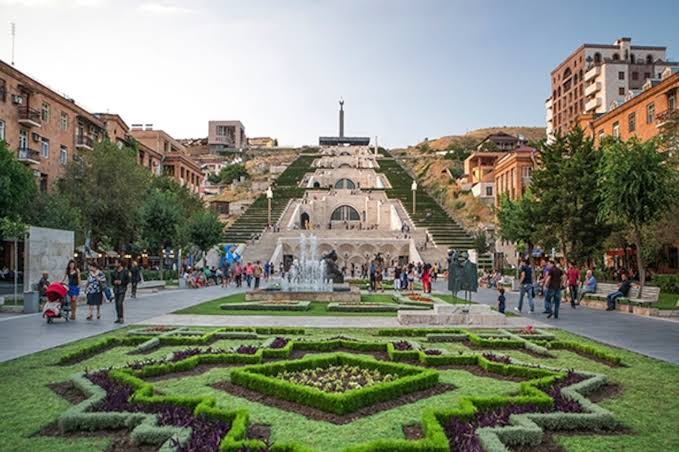
      Yerevan, Armenia
      Stage 1 · Begin

      Armenia · Yerevan

      Start in Armenia and transfer onward to Budapest through a partner route.

      Budapest
      Stage 2 · Finish in the EU

      Hungary · Budapest

      Complete your degree in the EU, with the same work rights and post-study options as students who start in Budapest.

      Frequently Asked

      Questions about studying in Hungary.

      +Do I need IELTS to apply in Hungary?

      You can apply without an IELTS or TOEFL certificate. Instead, every applicant takes an online interview that assesses their English as part of eligibility. We help you prepare for it.

      +Can I work while studying?

      Yes. International students in Hungary can work up to 30 hours a week alongside their studies — common roles include hospitality, retail, admin support and tutoring.

      +What does it cost to live in Budapest?

      Most students budget roughly €500–900 a month for shared housing, food, transport and everyday costs, and a student card unlocks discounts on transport and entertainment. Tuition and scholarship amounts vary by programme; we walk you through them in your consultation.

      +How do the Thailand and Armenia pathways work?

      You begin your studies at a partner university in Thailand or Armenia, then continue in Hungary. Eligibility and timing depend on your programme, so we map out the route with you one to one.

      +When are the intakes?

      There are two intakes a year, February and September. Applications for each close several months ahead, so it's worth starting early — especially to leave time for the visa.

      See if you qualify for Hungary

      Send your transcript and we'll tell you which programmes and scholarships you're a realistic fit for, along with the full fee breakdown.

      Book a Free Call →